



Why the Lymphatic System Deserves a Role in Immune & Detox Protocols
Jan 28th 2026
This article covers the anatomy and physiology of the lymphatic system, signs of lymphatic stagnation, functional medicine insights, lifestyle practices, and the role of botanical formulations—specifically Professional Botanicals’ Lymph Detox—in supporting lymphatic and immune resilience. Practitioner callouts and actionable tips are woven throughout.
The Lymphatic System—The Body’s Under-Discussed Detox & Immune Network
Anatomy & physiology in a functional lens
The lymphatic system runs parallel to the circulatory system, forming a network of vessels, nodes, thymus, spleen, and tonsillar tissues. Unlike the cardiovascular system, the lymphatic system has no central pump—movement relies on muscle contraction, hydration, breathwork, and overall vitality.
It plays three foundational roles:
- Immune surveillance – Lymph transports immune cells that help the body respond appropriately to everyday exposures.
- Fluid balance – It collects and returns interstitial fluid back into circulation.
- Detoxification pathways – It supports the body in clearing metabolic byproducts, proteins, and cellular waste.
For an evidence-based overview of lymphatic anatomy and function, see the National Institutes of Health (NIH) resource here: NIH overview of the lymphatic system.
How Do You Know If Your Lymphatic System Is “Clogged”?
While the lymphatic system doesn’t literally clog, many people—patients and practitioners alike—recognize patterns of sluggish lymph flow.
Common functional red flags
- Occasional puffiness or swelling, especially in extremities
- A sense of “slowness” or heaviness
- Slower-than-usual recovery after exertion
- Brain fog or feeling “backed up”
- Skin appearing dull or congested
- Increased discomfort after long periods of sitting
- General sense of immune burden
Does Lymphatic Drainage Really Work?
Manual & lifestyle approaches
Gentle lymphatic drainage techniques, diaphragmatic breathing, hydration, movement, sauna, and contrast showers all support healthy lymph flow. While results vary, many individuals experience improved energy, clarity, and fluid balance when lymph-focused practices are added consistently.
Why it helps
- Helps maintain movement of lymph fluid
- Supports detox pathways
- Encourages immune resilience
What Supplements Are Good for Lymphatic Drainage?
Herbs and nutrients long valued in botanical medicine may help the body maintain fluid movement, resilience, and detox balance. This is where a thoughtful lymphatic system supplement can be a helpful fit within a broader plan.
Botanical categories often used to support lymph health
- Adaptogens supporting stress response and immune balance
- Roots and barks used traditionally for tissue comfort
- Enzymes supporting normal metabolic clearance
- Nervine botanicals promoting relaxation, which indirectly supports lymph flow
Spotlight: How Lymph Detox Supports Lymphatic Flow & Immune Resilience
Professional Botanicals’ Lymph Detox formula combines botanicals, enzymes, and adaptogens that support the body’s natural detox and immune pathways. Designed with practitioners in mind, it fits seamlessly into protocols for those experiencing occasional stagnation or needing targeted botanical lymph health support.
Key ingredients & their structure/function roles
- Magnesium (Glutamate) – Supports normal muscle relaxation and healthy fluid movement.
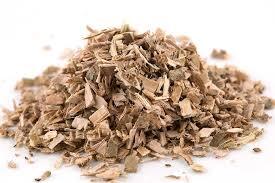
- Devil’s Claw & White Willow Bark – Traditionally used to support comfort and normal inflammatory balance.
- Valerian Root & Passion Flower – Help support the nervous system, encouraging relaxation that lymph flow relies on.
- AdPT Blend (Eleuthero, Cordyceps, Rhodiola, Reishi, Ashwagandha, Gynostemma) – Adaptogens known for supporting energy, vitality, immune resilience, and overall stress response.
- EDS Enzyme Blend (Amylase, Protease, etc.) – Supports the body’s natural breakdown and clearance processes.
How Do You Know If You Need a Lymphatic Detox?
A “lymphatic detox” typically refers to short-term supportive practices that encourage healthy lymph flow. Individuals may benefit from added lymphatic drainage support when they notice:
Functional patterns
- Occasional puffiness
- Feeling heavy or sluggish
- Stagnation after long travel
- Visible fluid retention after inactivity
- A sense that their system is “slow” during seasonal shifts
Clinicians may also incorporate lymph support when immune challenges arise or detox pathways appear to be under increased demand.
Evidence-Based Lifestyle Practices That Support Lymph Flow
Foundational habits
- Hydration – Lymph is largely water-based; consistent fluid intake supports healthy flow.
- Movement – Walking, gentle rebounding, mobility work, and stretching support circulation.
- Deep breathing – The diaphragm acts as a mechanical driver that supports lymph movement.
- Dry brushing – Supports microcirculation and healthy skin function.
- Alternating hot/cold water – Encourages vascular tone and healthy circulation.
Practitioner protocol pairing ideas
- Combine lymph support with gut-focused strategies during seasonal resets.
- Add lymph support during immune-heavy seasons to support immune resilience.
- Pair with adaptogens during periods of higher stress or perceived stagnation.

Who Is Professional Botanicals? Why Practitioners Trust the Brand
45 years of family-led formulation
Founded by Dr. Millet, Professional Botanicals has remained a family company for over 45 years, blending clinical insights with high-quality botanicals to create practitioner-trusted formulas.
Science + nature philosophy
Each formula is designed to support the body’s natural pathways with clinical precision, combining herbal tradition with modern nutritional science.
Calls to Action
Explore Lymph Detox
Support healthy lymphatic flow and immune resilience with this practitioner-formulated blend.
https://professionalbotanicals.com/lymph-detox
Join Our Newsletter
Get education, protocols, product spotlights, and special offers.
Newsletter signup (placeholder—insert URL)